Baby’s 1st Christmas Svg
A Festive Embroidery Design for Personalized Projects
As a designer who frequently works with embroidery files, I’ve seen my fair share of holiday-themed designs. When I first opened Baby’s 1st Christmas Svg, I was immediately struck by its warm, nostalgic feel. The design carries the kind of charm that makes it ideal for personal gifts or small business products. It’s not just a file—it’s a visual story waiting to be stitched into fabric.
The First Impression: A Nostalgic Holiday Mood
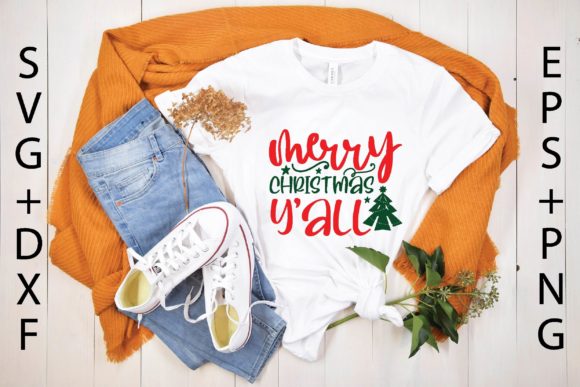
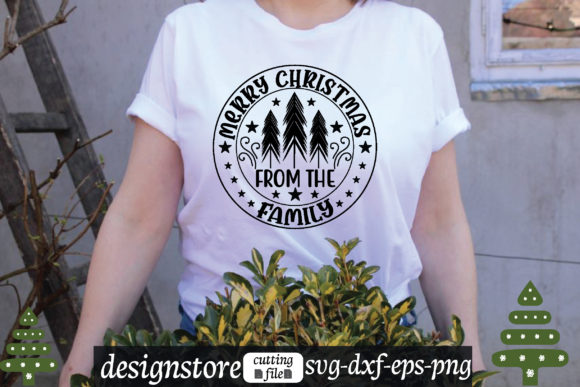
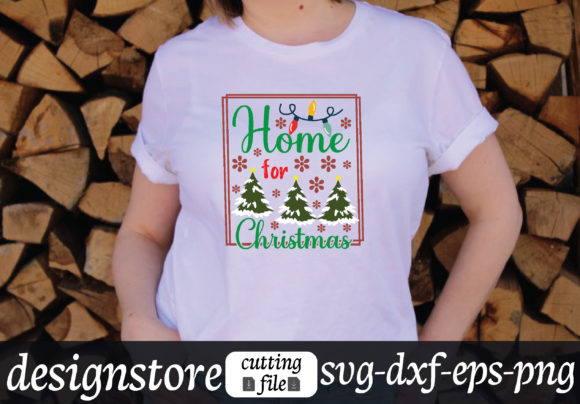
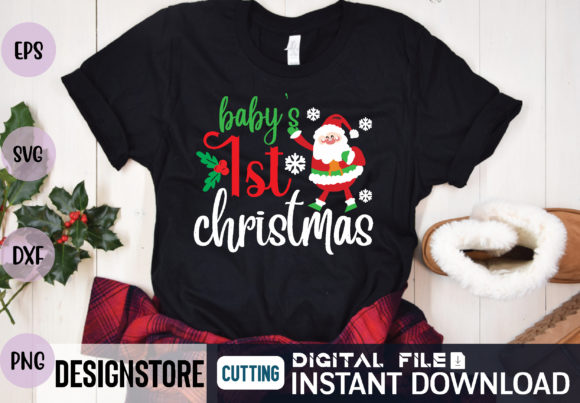
Baby’s 1st Christmas Svg is a graphic that evokes memories of family traditions and cozy winter nights. The layout is simple yet effective, featuring a classic Christmas tree with snowflakes, stars, and a few festive details like a gift box and Santa hat. The design feels hand-drawn, which gives it a friendly, approachable vibe. It’s the kind of embroidery file that would look right at home on a baby blanket, a personalized shirt, or a custom tote bag.
One thing I noticed right away is the balance between detail and simplicity. There are enough elements to make the design interesting, but nothing feels cluttered. This makes it versatile—whether you’re looking for a subtle holiday touch or a bold statement piece, Baby’s 1st Christmas Svg can adapt.
Real-World Use Cases: From T-Shirts to Baby Clothes
When considering how Baby’s 1st Christmas Svg performs in real-life embroidery projects, I thought about a few common scenarios. One that stood out was creating a custom embroidered sweatshirt for a newborn. The design’s clean lines and clear shapes make it easy to stitch, especially when using satin or fill stitches for the tree and snowflakes.
Another scenario involved applying the design to a baby onesie. Here, the design’s scale and placement become crucial. If the design is too large, it might overwhelm the fabric, especially on smaller items like hats or caps. However, if used carefully, it could add a charming, seasonal touch to baby clothing.
I also considered using Baby’s 1st Christmas Svg as an applique design for a patch or a tote bag. The design’s flat, two-dimensional style works well with both satin and running stitches, making it suitable for various applications. For a tote bag, the design could serve as a subtle background or a focal point depending on the size and placement.
Where to Use with Caution
While Baby’s 1st Christmas Svg is versatile, there are certain situations where it may not perform as well. For instance, using it on thin or stretchy fabrics like t-shirts or leggings could lead to distortion or poor stitch density. Similarly, dark-colored fabrics may reduce the visibility of the design, especially if the thread color isn’t chosen carefully.
Small hoop sizes can also be a challenge. If the design is too detailed or intricate, it may not fit within a standard hoop without losing quality. In such cases, testing the design on scrap fabric first is essential. This helps identify any potential issues with stitch density, alignment, or overall clarity before committing to a final product.
Additionally, areas with dense stitching or tiny lettering require extra attention. These details can sometimes get lost in the embroidery process, especially on curved surfaces like caps or hats. It’s important to inspect these parts closely and consider whether they’ll translate well into the final product.
Design Quality and Visual Appeal
The visual appeal of Baby’s 1st Christmas Svg depends heavily on the thread colors and fabric texture. A high-contrast thread color, such as white or gold, can bring out the design’s details and create a striking effect. On the other hand, a low-contrast thread might make the design appear washed out, especially on darker fabrics.
Stitch density is another key factor. A well-balanced stitch count ensures that the design remains crisp and clear without becoming too thick or heavy. As an embroidery designer, I always recommend checking the stitch density before proceeding with a project, especially if the design will be used for commercial purposes.
Practical Designer Notes for Success
Before using Baby’s 1st Christmas Svg in a real project, there are a few practical steps to consider:
- Test on scrap fabric: Always test the design on a piece of scrap fabric to ensure it looks good and stitches properly.
- Check thread color contrast: Select thread colors that provide maximum visibility and aesthetic appeal.
- Review stitch density: Ensure the design has a consistent and appropriate stitch count for the intended fabric and application.
- Confirm hoop size: Make sure the design fits comfortably within your hoop to avoid distortion.
- Inspect small details: Look closely at corners, lettering, and decorative accents to ensure they remain intact after stitching.
- Test in black and white mockups: This helps identify any hidden issues with the design’s structure or layout.
- Use proper stabilizer: Stabilizer is essential for maintaining fabric stability during the embroidery process.
- Consider fabric texture: Some fabrics may require additional support or adjustments to achieve the best results.
- Check licensing: If you plan to sell finished products or digital assets, confirm the licensing terms before proceeding.
Final Thoughts: A Versatile Design for Real Projects
Baby’s 1st Christmas Svg is a well-crafted design that offers a range of possibilities for both personal and commercial use. Whether you’re creating a handmade gift, a boutique product, or a custom apparel item, this design has the potential to deliver a meaningful and visually appealing result.
Its versatility makes it a great addition to any embroidery designer’s toolkit. With careful planning and attention to detail, Baby’s 1st Christmas Svg can elevate your projects and impress your customers. Just remember to test, adjust, and review before taking the design from file to fabric.