Real Unicorn Graphics for T-Shirt Designs
A Designer’s Take on This is What a Real Unicorn Looks Like
As a designer who regularly works with small businesses and creative entrepreneurs, I often find myself evaluating design assets that could elevate a brand or product line. Recently, I came across This is What a Real Unicorn Looks Like, an SVG design that immediately caught my eye. It’s not just another unicorn graphic—it’s a thoughtful, versatile asset that could work well in a variety of contexts, especially for those looking to create a whimsical yet professional aesthetic.
The First Impression
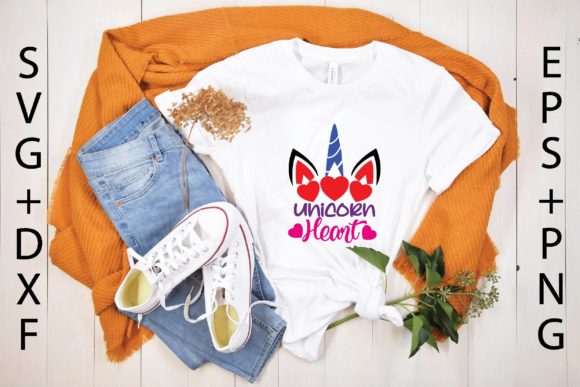
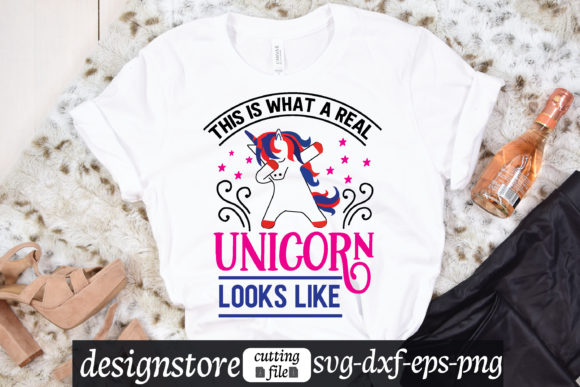
At first glance, This is What a Real Unicorn Looks Like feels like a blend of fantasy and modern design. The unicorn is rendered with clean lines and subtle textures that give it a handcrafted feel without being too busy. The color palette is soft and inviting, leaning into pastels that are both trendy and approachable. This makes the design feel fresh and contemporary, which is ideal for branding projects targeting younger audiences or niche markets.
The unicorn’s pose is dynamic, suggesting movement and energy. This adds a sense of playfulness that can be particularly effective for seasonal campaigns, local events, or handmade brands aiming to stand out in a crowded market. It’s not overly detailed, which means it can adapt well to different sizes and formats without losing its charm.
Design Context and Practical Use
This is What a Real Unicorn Looks Like has a wide range of applications, especially within the realm of T-Shirt Designs. Its vector format makes it ideal for use in Cricut projects, allowing for precise cutting and customization. As a graphic design asset, it can be easily integrated into Canva templates, social media graphics, or even website banners.
When considering how this design fits into a broader project, it’s important to think about where it will be most impactful. For example, it could serve as a hero graphic on a product page, a decorative accent in packaging, or a key element in a themed collection. It also works well as part of a brand identity system, especially for businesses that want to maintain a consistent visual language across all their materials.
One of the strengths of This is What a Real Unicorn Looks Like is its versatility. Whether you’re designing a sticker, a mug, or a tote bag, the design maintains its clarity and appeal. It’s also well-suited for print-on-demand services and Etsy shops, making it a valuable addition to any creative marketplace portfolio.
Where to Use It Confidently
There are several scenarios where This is What a Real Unicorn Looks Like shines brightest. Large layout areas, such as posters or product mockups, benefit from its presence as a focal point. It also works well in hero sections of websites or as part of a social media campaign, where it can draw attention and spark engagement.
Additionally, the design performs well in themed collections or seasonal promotions. A boutique business selling handmade products could use it as a recurring element across multiple items, helping to build brand recognition. It’s also great for creating editorial content, such as blog posts or Pinterest pins, where a touch of whimsy can enhance the overall mood.
Where to Use It with Caution
However, there are certain contexts where This is What a Real Unicorn Looks Like may not be the best fit. In smaller layouts or when placed against complex backgrounds, the design can become lost or overwhelming. It’s important to test how it looks at different scales and ensure that it doesn’t interfere with the readability of other elements.
For projects that require a minimalist or corporate aesthetic, the design might come off as too playful. It’s not the kind of asset you’d use in a professional setting unless it’s carefully balanced with other elements. That said, it can still be used as a supporting detail in more serious branding efforts, provided it’s handled thoughtfully.
Key Considerations for Designers
Before using This is What a Real Unicorn Looks Like for a client project, there are a few practical checks to consider. Testing the design in black and white is essential to ensure it retains its impact in monochrome settings. Checking contrast on both light and dark backgrounds will help determine if it’s suitable for a wide range of applications.
Previewing the design at various sizes is also crucial. It should remain legible and visually appealing whether it’s printed on a shirt or displayed on a digital platform. When working with print-on-demand services, testing print quality is a must to avoid unexpected results.
Additionally, inspecting the file formats—especially SVG and PNG—is important. Ensuring that the design includes proper transparency and is editable in vector software can make a big difference in how it’s used across different platforms. Confirming the commercial license is another step that shouldn’t be overlooked, especially when working with clients who plan to sell the final product.
Why This Design Matters
This is What a Real Unicorn Looks Like is more than just a cute graphic—it’s a well-considered graphic design asset that can support a wide range of creative projects. Whether you’re building a brand identity, launching a new product line, or creating content for social media, this design has the potential to add value and personality to your work.
Its ability to adapt to different formats and contexts makes it a flexible choice for designers looking to expand their toolkit. With the right application, it can help create a cohesive, engaging visual experience that resonates with your audience while maintaining a professional edge.
In the world of creative design, having access to high-quality, versatile assets like This is What a Real Unicorn Looks Like can make all the difference. It’s a reminder that even the simplest designs can carry a lot of weight when used thoughtfully and strategically.